

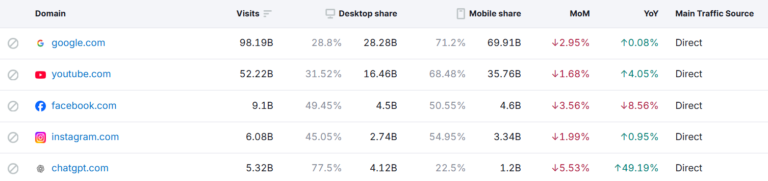




To become a content creator in Nigeria, start by identifying your niche and understanding the audience you want to reach. From there, choose the right platforms, such as YouTube, Instagram, TikTok, Facebook, or X, and begin creating high-quality content that is useful, entertaining, informative, or relatable to your audience.
You also need to build a strong online presence by posting consistently, engaging with your audience, learning how different platforms work, and continuously improving your content creation skills. As your audience and personal brand grow, you can monetize your content through advertising revenue, sponsorships, brand partnerships, affiliate marketing, digital products, and other income opportunities.
How Do I Become A Content Creator In Nigeria?
Becoming a content creator in Nigeria offers an exciting opportunity to turn your creativity, knowledge, skills, or personal experiences into content that reaches people both locally and globally. With millions of Nigerians actively using social media and digital platforms every day, content creation has become more than just a hobby. For many people, it can become a career, business, or personal brand.
Whether you are interested in comedy, fashion, beauty, lifestyle, technology, business, education, food, sports, entertainment, finance, gaming, or storytelling, there is an opportunity to build an audience around your interests.
However, becoming a content creator involves more than simply opening a TikTok or Instagram account and posting whenever you feel like it. To build a sustainable presence, you need to understand what type of content you want to create, who you are creating it for, where to publish it, and how to turn your audience into a community and eventually a source of income.
The good news is that you do not necessarily need expensive equipment or a large team to get started. A smartphone, internet connection, creativity, and a willingness to learn can be enough to take your first step.
Becoming a content creator in Nigeria involves several detailed steps. Here’s a comprehensive guide to help you navigate the process:
1. Define Your Niche
A niche is a specialized segment of the market for a particular kind of content. It helps you focus on a specific area, making your content more targeted and relevant.
Steps to Define Your Niche:
- Identify Your Passion: Reflect on topics you are passionate about. This could include areas like technology, beauty, food, travel, or personal finance.
- Market Research: Use tools like Google Trends and social media analytics to identify trending topics and areas with high audience interest.
- Evaluate Your Expertise: Consider your knowledge and skills in various subjects. Choose a niche where you can provide valuable insights and content.
- Assess Audience Needs: Research what your potential audience is looking for. Analyze forums, social media discussions, and industry reports.
- Test Ideas: Create a few pieces of content in different niches to see what resonates most with your audience.
2. Create a Content Strategy
A content strategy is a comprehensive plan that outlines how you will create, distribute, and manage your content to achieve specific objectives.
Steps to Create a Content Strategy:
- Set Clear Objectives: Define what you want to achieve with your content, such as building brand awareness, increasing website traffic, or driving sales.
- Know Your Audience: Use audience insights tools to understand their preferences, demographics, and pain points.
- Develop Content Themes: Choose key themes or topics that align with your niche and audience interests. This helps in creating a consistent message.
- Create a Content Calendar: Plan your content schedule to ensure regular posting. Include deadlines for creation, review, and publishing.
- Content Formats: Decide on the types of content you will produce (e.g., blog posts, videos, infographics) and how they will be distributed.
- Establish KPIs: Define Key Performance Indicators (KPIs) to measure the success of your content strategy, such as engagement rates, website traffic, or conversion rates.
3. Choose Your Platforms
Platforms are the channels through which you will share your content. Each platform has unique features and audience types.
Steps to Choose Your Platforms:
- Analyze Platform Demographics: Research which platforms your target audience uses most frequently. For example, younger audiences might prefer Instagram and TikTok, while professionals might be more active on LinkedIn.
- Evaluate Platform Features: Consider the features of each platform, such as video length limits on TikTok or the potential for long-form content on YouTube.
- Set Up Profiles: Create and optimize your profiles on selected platforms. Ensure that your branding is consistent across all channels.
- Cross-Promote: Use your presence on multiple platforms to promote your content. For instance, share your YouTube videos on Instagram and Twitter.
- Adapt Content: Customize your content to fit each platform’s format and audience expectations. For example, use high-quality visuals for Instagram and detailed articles for LinkedIn.
4. Develop Your Brand
Your brand is the unique identity that sets you apart from other content creators. It includes your visual style, personality, and overall message.
Steps to Develop Your Brand:
- Create a Brand Name: Choose a name that reflects your niche and is easy to remember. Ensure it’s unique and available as a domain name.
- Design Visual Elements: Develop a logo, color scheme, and typography that represent your brand. Use tools like Canva or Adobe Illustrator for design.
- Craft Your Brand Voice: Define the tone and style of your communication. Whether it’s formal, casual, humorous, or authoritative, make sure it aligns with your audience’s preferences.
- Build a Website: Create a professional website to showcase your portfolio, blog, and contact information. Platforms like WordPress, Wix, or Squarespace can help you build a site easily.
- Create a Media Kit: Develop a media kit that includes your biography, brand information, audience demographics, and contact details. This is useful for collaborations and sponsorships.
5. Produce High-Quality Content
High-quality content is well-crafted, engaging, and valuable to your audience. It should meet professional standards and reflect your brand’s values.
Steps to Produce High-Quality Content:
- Invest in Equipment: Depending on your content type, invest in high-quality cameras, microphones, and lighting equipment. For video content, a good camera and proper lighting are crucial.
- Use Editing Software: Utilize editing tools like Adobe Premiere Pro, Final Cut Pro, or DaVinci Resolve for video editing, and Adobe Photoshop or Canva for graphic design.
- Focus on Content Structure: Ensure your content is well-organized and easy to follow. For written content, use headings, bullet points, and concise paragraphs.
- Maintain Consistency: Stick to a consistent style and tone across all content to build brand recognition.
- Proofread and Review: Always review your content for errors and ensure it meets your quality standards before publishing.
6. Build an Audience
Building an audience involves attracting and retaining viewers, readers, or followers who engage with your content.
Steps to Build an Audience:
- Promote Your Content: Share your content on social media, participate in online communities, and collaborate with other creators to increase visibility.
- Engage with Your Followers: Respond to comments, messages, and feedback to foster a strong connection with your audience.
- Leverage SEO: Optimize your content for search engines to increase organic traffic. Use relevant keywords, meta descriptions, and backlinks.
- Host Contests and Giveaways: Organize contests or giveaways to encourage engagement and attract new followers.
- Analyze Performance: Use analytics tools provided by platforms to track engagement, growth, and audience demographics. Adjust your strategy based on these insights.
7. Monetize Your Content
Monetization involves generating revenue from your content creation efforts through various channels and strategies.
Steps to Monetize Your Content:
- Ad Revenue: Join ad networks such as Google AdSense or YouTube Partner Program to earn revenue from ads displayed on your content.
- Sponsored Content: Partner with brands for sponsored posts, product reviews, or endorsements. Create engaging content that highlights the brand’s products or services.
- Affiliate Marketing: Promote products or services through affiliate links and earn commissions on sales generated from your referrals.
- Merchandise: Design and sell branded merchandise such as clothing, accessories, or digital products. Use platforms like Teespring or Printful to handle production and shipping.
- Crowdfunding: Use crowdfunding platforms like Patreon or Ko-fi to receive financial support from your audience in exchange for exclusive content or perks.
8. Stay Updated and Evolve
Staying updated means keeping abreast of industry trends and continuously improving your content and skills.
Steps to Stay Updated and Evolve:
- Follow Industry Trends: Subscribe to industry newsletters, follow relevant blogs, and join online forums to stay informed about the latest trends and best practices.
- Attend Workshops and Conferences: Participate in workshops, webinars, and conferences to enhance your skills and network with other content creators.
- Experiment with New Formats: Try new content formats and platforms to keep your audience engaged and attract new followers. For example, experiment with live streaming or interactive content.
- Seek Feedback: Regularly ask for feedback from your audience and peers to identify areas for improvement and refine your content strategy.
- Continuously Learn: Invest in online courses or tutorials to improve your content creation skills, such as photography, videography, or writing.
What Qualifications Do You Need for Content Creation?
Content creation does not have formal educational requirements, but several qualifications and skills can enhance your effectiveness:
- Communication Skills: Strong written and verbal communication skills are essential for creating engaging content and connecting with your audience.
- Creativity: Being able to generate innovative ideas and engagingly present them is crucial for content creation.
- Technical Skills: Proficiency in using various tools and software for content creation, such as video editing programs or graphic design tools, is beneficial.
- Marketing Knowledge: Understanding content marketing strategies, SEO, and social media algorithms can help in reaching a larger audience.
- Analytical Skills: Ability to analyze performance metrics to understand what works and what needs improvement.
- Project Management: Organizational skills to manage content schedules, deadlines, and collaborations effectively.
- Adaptability: Being open to learning and adapting to new trends and technologies in content creation.
What Equipment Do I Need as a Content Creator?
The equipment you need depends on the type of content you plan to create. Here’s a basic list for various content types:
- Camera: A high-quality camera is essential for video and photo content. Options range from DSLRs and mirrorless cameras to high-end smartphones.
- Microphone: A good microphone ensures clear audio for videos or podcasts. Options include lavalier mics, shotgun mics, and USB microphones.
- Lighting: Proper lighting improves the quality of your visuals. Invest in softbox lights, ring lights, or LED panels.
- Editing Software: Tools like Adobe Premiere Pro, Final Cut Pro, or DaVinci Resolve for video editing; Adobe Photoshop or Canva for graphic design.
- Tripod: A stable tripod helps to keep your camera steady during shoots.
- Backdrop: For professional-looking videos and photos, a clean and appropriate backdrop is useful.
- Computer: A powerful computer with sufficient RAM and storage is necessary for editing and managing content.
- External Hard Drive: For backing up and storing large files and content.
- Internet Connection: A reliable and high-speed internet connection is important for uploading content and engaging with your audience.
How Do Content Creators in Nigeria make Money?
Nigerian content creators have various revenue streams:
- Brand Partnerships: Collaborations with brands for sponsored content, product placements, and endorsements.
- Ad Revenue: Earnings from ads on platforms like YouTube and Facebook.
- Affiliate Marketing: Commissions from promoting products or services through affiliate links.
- Merchandise Sales: Selling branded products or merchandise directly to their audience.
- Crowdfunding: Support from fans on platforms like Patreon or Kickstarter for exclusive content or project funding.
- Digital Products: Selling digital goods such as e-books, courses, or downloadable templates.
- Public Speaking and Events: Revenue from speaking engagements, workshops, and events where they share their expertise.
- Consulting and Coaching: Offering personalized advice or coaching in their area of expertise.
- Memberships and Subscriptions: Offering premium content or memberships for a monthly fee.
Where Can I Learn Content Creation in Nigeria?
Several resources are available for learning content creation in Nigeria:
- Online Courses: Platforms like Udemy, Coursera, and LinkedIn Learning offer courses on content creation, video production, and digital marketing.
- Local Workshops and Seminars: Attend workshops and seminars organized by industry professionals and educational institutions.
- Social Media Groups and Forums: Join groups on platforms like Facebook or LinkedIn where you can learn from other content creators and industry experts.
- YouTube Tutorials: Many content creators share tutorials and tips on YouTube covering various aspects of content creation.
- Universities and Colleges: Some Nigerian universities offer courses in media, communication, and digital marketing that cover content creation.
- Networking Events: Participate in industry events and networking meetups to learn from peers and professionals.
- Blogs and Online Resources: Read blogs and articles from experienced content creators and industry experts to gain insights and practical tips.
- Mentorship Programs: Seek out mentorship opportunities from experienced content creators who can provide personalized guidance and support.
Conclusion
Embarking on a career as a content creator in Nigeria is both an exciting and challenging endeavor. By defining your niche, developing a strategic plan, and consistently producing high-quality content, you can carve out your space in the digital landscape.
Remember, building an audience and monetizing your content requires persistence, adaptability, and a willingness to evolve with industry trends.
As you navigate this path, embrace networking opportunities, protect your intellectual property, and continue to refine your skills. With dedication and creativity, you can transform your passion into a successful and rewarding content creation career.
